


1 min read
Stormwater Compliance in Construction: Closing the Gap Between Plan & Dirt
IN SIMPLE TERMS A Stormwater Pollution Prevention Plan (SWPPP) is the document a construction site must file under the Clean Water Act once...





1 min read
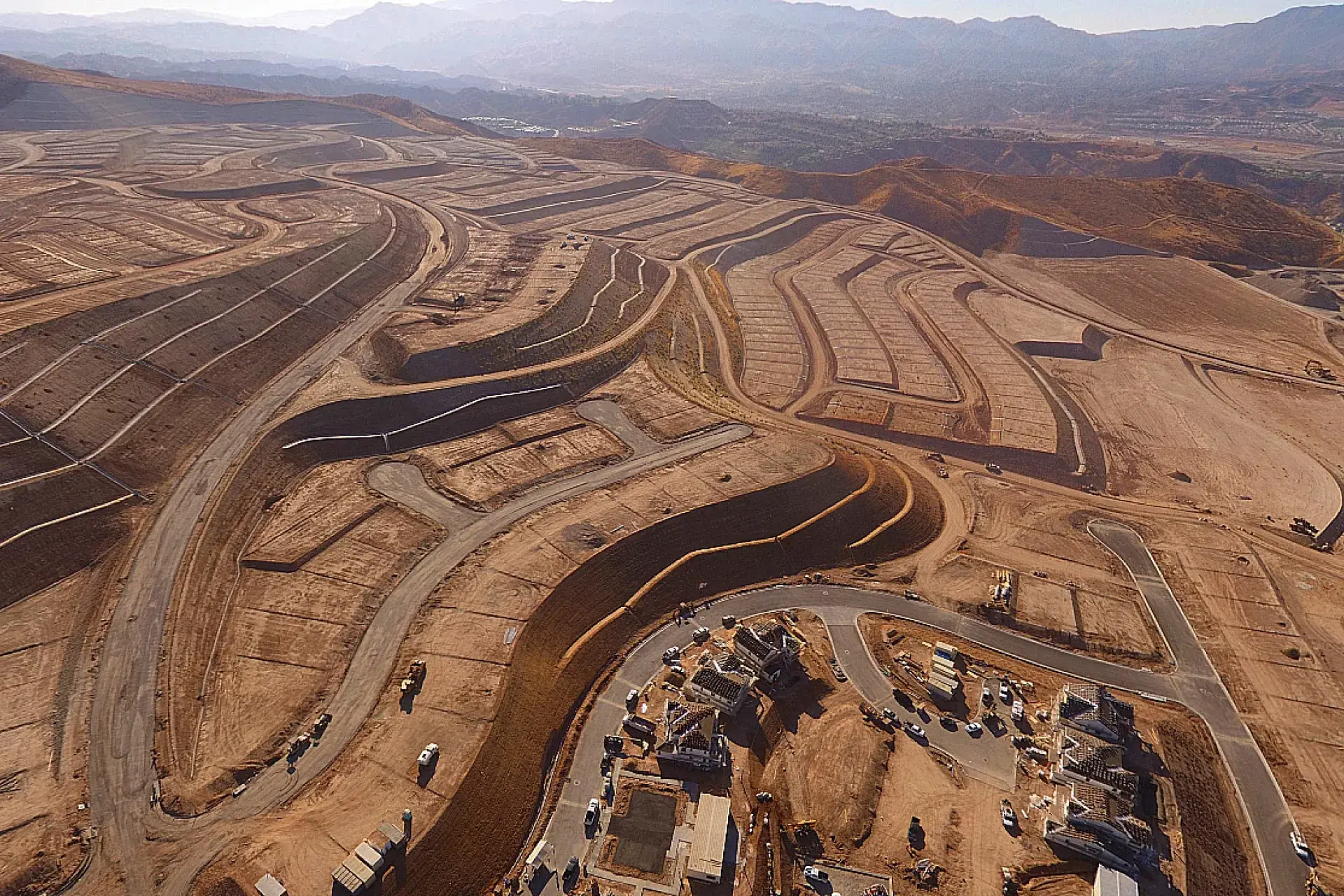
Site balance has one of the biggest impacts on a project's budget and schedule, yet it's one of the most difficult things to manage during the site development phase. There are several factors that can influence site balance, and they're constantly changing.
The formula for calculating site balance is complex:
Raw Cut to Design (adjusted by shrink/swell)
– Raw Fill to Design
+ Removals / Overex / Remedials Delta due to shrink/swell
+ Utilities Spoils
+ Foundations Spoils
– Topsoil or other unusable dirt
Because it is so cost and labor intensive, site balance calculations are often only done once at the beginning of projects, and several factors can contribute to challenges:
As the project progresses, site balance is even more difficult to track due to several factors:
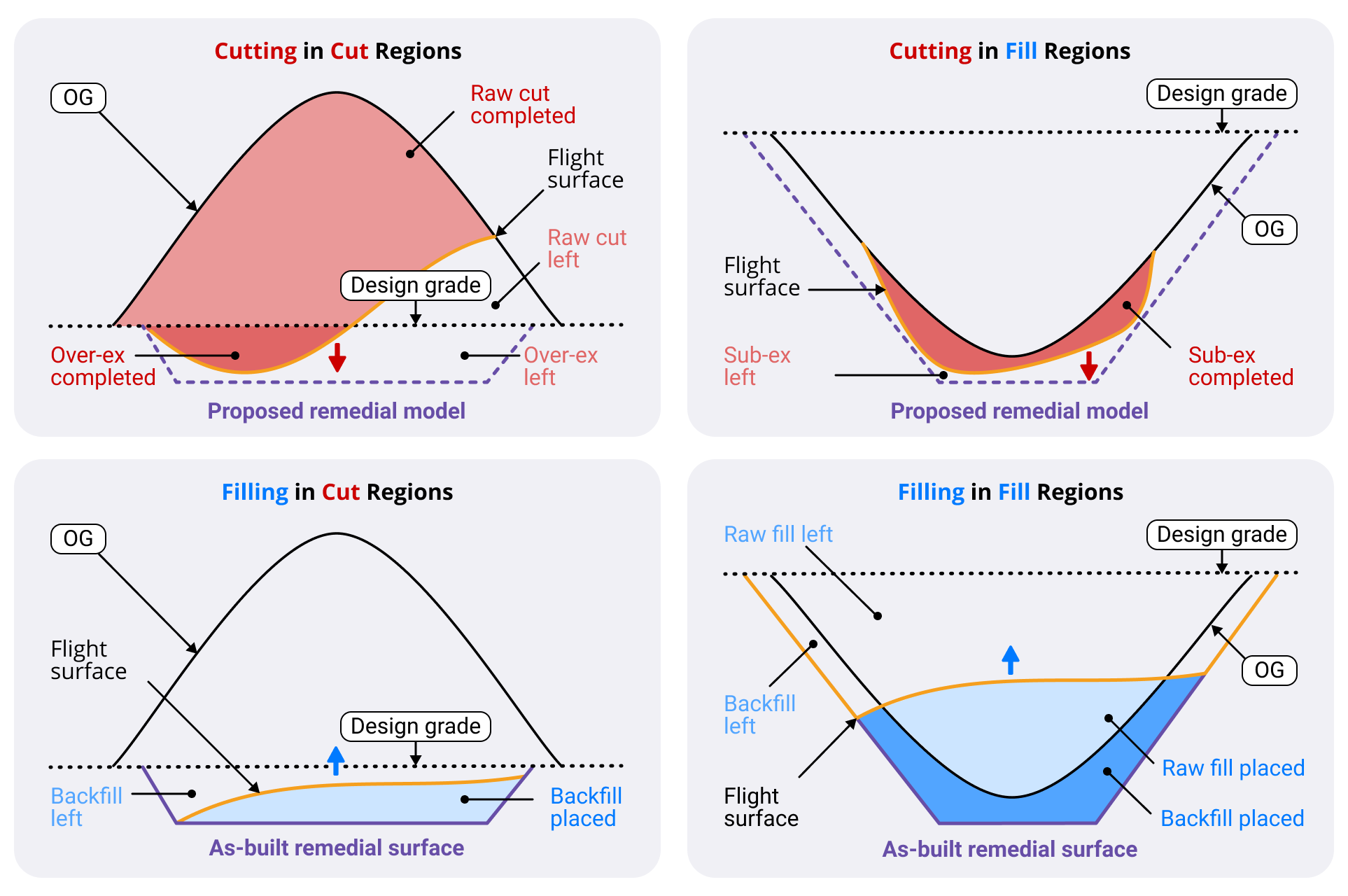
To address these challenges in crucial moments, owners frequently order several independent consultants to run site balance analyses. Often, these consultants bring conflicting data, which start a number of nitty-gritty discussions to determine which is correct. This redundancy in data sources does not always resolve the uncertainty on the site balance projection, and usually adds more stressful and billable hours, without bringing clarity to the owner.
Inaccurate site balance calculations can have major cost implications due to import/export costs for dirt. For example, 500,000 cubic yards of remedial grading could influence the balance by 50,000 cubic yards if the soil shrinks/bulks 10%. If it costs $25 per cubic yard to import or export dirt, this could cost the project over $1 million!
Calculating site balance doesn't have to be hard (or expensive!) if you have the right data and tools. 3D topographical surveys captured by drones are far less expensive than typical surveying, and TraceAir's site intelligence software enables teams to track site balance weekly.
Reach out to our team to learn how your project can track site balance accurately and frequently.
1 min read
IN SIMPLE TERMS A Stormwater Pollution Prevention Plan (SWPPP) is the document a construction site must file under the Clean Water Act once...
4 min read
California land deals don’t sit still. By the time a parcel hits your radar, the entitlement path is already winding and the list of unknowns is...

2 min read
There's a reason why builders say that site work is 10% of the budget, but 100% of the headaches. This phase of construction carries a multitude of...